

The colour of Diamond Pythons can vary significantly across the Sydney region, as demonstrated by this darker specimen from Hornsby.
Snake Facts, Snake Identification, Australian Snakes, Urban Wildlife, Sydney Snake Catcher
Written by Chris Williams
Diamond Pythons are common in Sydney, especially in the northern suburbs, where they account for nearly half of our snake catcher callouts. Their size makes them far more noticeable than smaller snakes.
When residents report a Diamond Python, it has often just eaten, usually a ringtail possum, which is a big part of their diet. After a meal, these snakes slow down and tend to stay close by, curled up while they digest, which can take up to a couple of weeks.
Diamond Pythons are usually relocated to nearby bushland, which keeps them within their natural range. If one is found near a busy road, we move it further away to reduce the risk of it being hit by a car.
For books, bandages and a whole lot more head to https://sydneysnakecatcher.com.au/shop/

This Diamond Python was resting in a garden in Turramurra. They pose no danger to people or pets, however we understand that not everyone likes the idea of having one as a neighbour as much as we do.
Fast Facts: Diamond Python (Morelia spilota spilota)
Description: Quite variable in colour and pattern. The base colour is typically dark olive to black, with most scales on the back carrying a yellow or cream spot in the centre. Clusters of yellow or cream scales form rosettes along the body. Generally, the further south you go, the darker the snake and the fewer the rosettes, while animals north of Gosford can be quite vibrant, with lots of yellow. On the NSW Mid North Coast, they interbreed with Coastal Carpet Pythons (Morelia spilota variegata), and these snakes are often called intergrades.
Length: Typically 2 to 2.5 m.
Diet: Skinks as juveniles, moving on to mammals and birds as they grow.
Reproduction: Most Diamond Pythons are encountered between September and November, when males are out searching for a mate. Females lay 15 to 30 eggs.

A rare trait among reptiles is the maternal care shown by pythons. After laying their eggs, the female coils around them for about two months, protecting them until they hatch.

This diamond python was spotted on and off throughout the summer in Wheeler Heights. The homeowners had no idea she had been incubating eggs in the grass tussocks in their backyard—until the hatchlings began to emerge. Sightings like this are rare and a real treat for reptile enthusiasts.

In total, 16 baby diamond pythons successfully hatched and were released into the bushland next to the property in Wheeler Heights.
Notes: Often active at night, but frequently seen basking during the day. A common sight in suburbs next to bushland, Diamond Pythons have adapted well to life in our roofs and sheds, where they help keep rats and possums in check. They are generally relaxed around people and seem content to go about their business, unbothered by interested onlookers.

This Diamond Python had just eaten a possum in Allambie Heights and was in a food coma near the path leading to the house. To keep it safe from the family dog, we relocated it to a more suitable spot nearby. With Diamond Pythons, we always aim to move them as close as possible to where they were found—usually within a few hundred metres.
A Python That Looks After Its Eggs
Maternal care is rare among reptiles, but pythons are an exception. After laying her eggs, a female Diamond Python coils around them for about two months, protecting them until they hatch.
Are Diamond Pythons Dangerous?
Diamond Pythons are not venomous and are not dangerous to people. They can bite if handled or cornered, and with their many sharp teeth a bite can be painful and bleed freely. Clean the wound well and see a doctor if it looks infected.
If you are not completely sure which snake bit you, treat it as a venomous bite. Call 000, keep still and apply a pressure immobilisation bandage. For full first aid steps, visit snakebitefirstaid.com.au.
Are They Dangerous to Pets?
Diamond Pythons are a real risk to some pets. They will take aviary birds, chickens, guinea pigs, rabbits and other small animals, and very occasionally a cat. Keep small pets in secure, python proof enclosures with no gaps, and lock them in at night.
What Should I Do If I Find One?
Keep children and pets away and watch the snake from a distance so you can tell us where it is. Don't try to move it yourself. If it is in your roof, shed or anywhere near your pets, call Urban Reptile Removal on 0418 633 474 and we'll relocate it safely to suitable bushland nearby.

A large Diamond python relocated from a garden in St Ives.

Diamond Pythons are capable of consuming large meals. In most cases their preferred food is Ring Tailed Possums. A meal this size can sustain the snake for several months.


The owners of this home in Cheltenham called us to remove this unwanted Diamond Python from their front yard.

Like almost every Diamond Python we encounter this one was pretty relaxed and after a few minutes the owner decided he’d also like to have a hold.

It didn’t take long for the snakes gentle nature to win them both over.

For us, this is the best result possible — and the reason we do the job. Yes, we relocate snakes when needed, but our real goal is to help people live comfortably alongside them. When Sydney residents learn to appreciate snakes, especially species like Diamond Pythons that pose no threat to pets or people, everyone benefits. In this case, the couple who first wanted the snake removed ended up fascinated by it. After just half an hour, their fear had turned to curiosity, and I doubt they’ll be calling next time a python visits their yard.
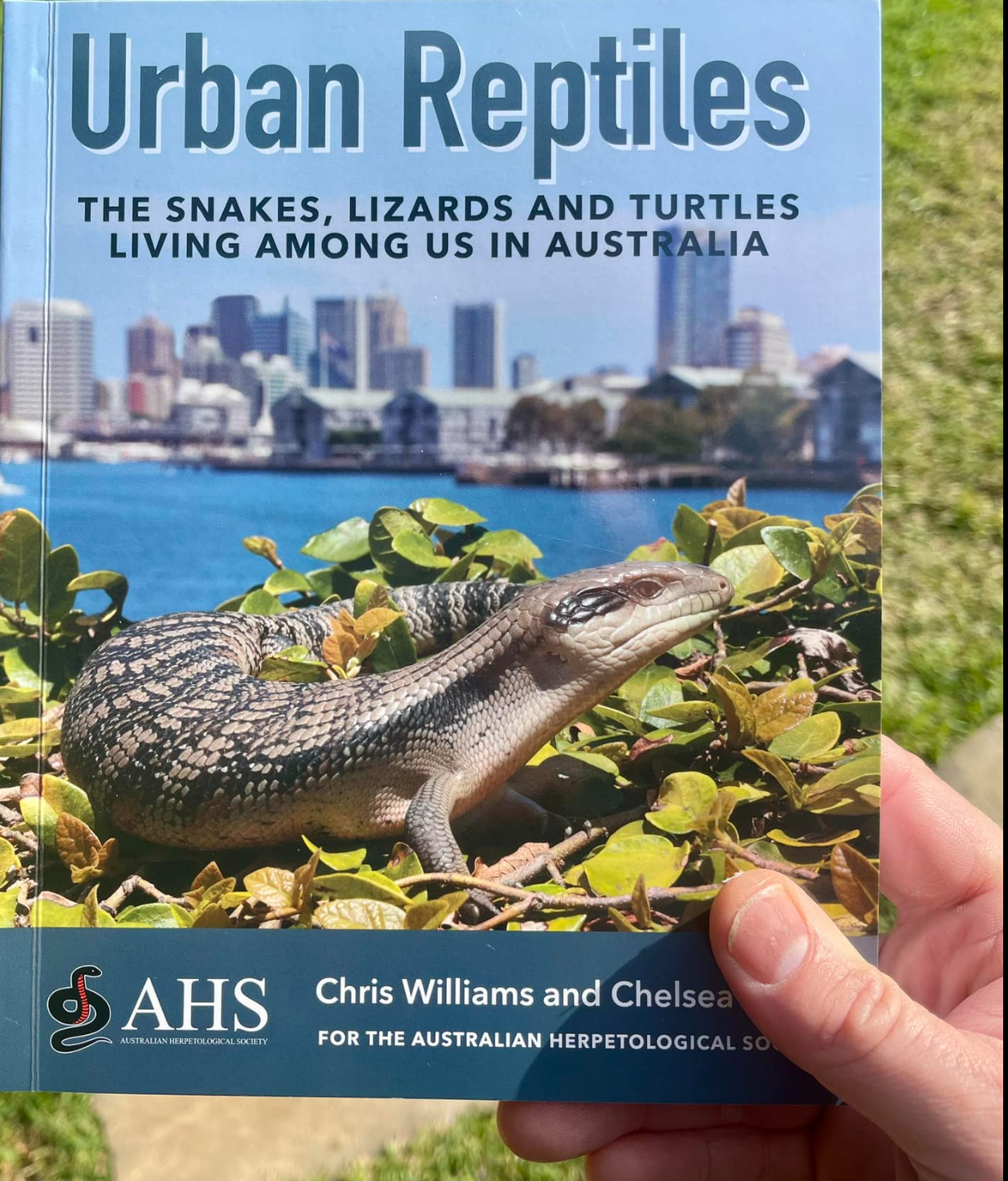
We wrote the book on Urban Reptiles. Available on line and in all good bookstores.
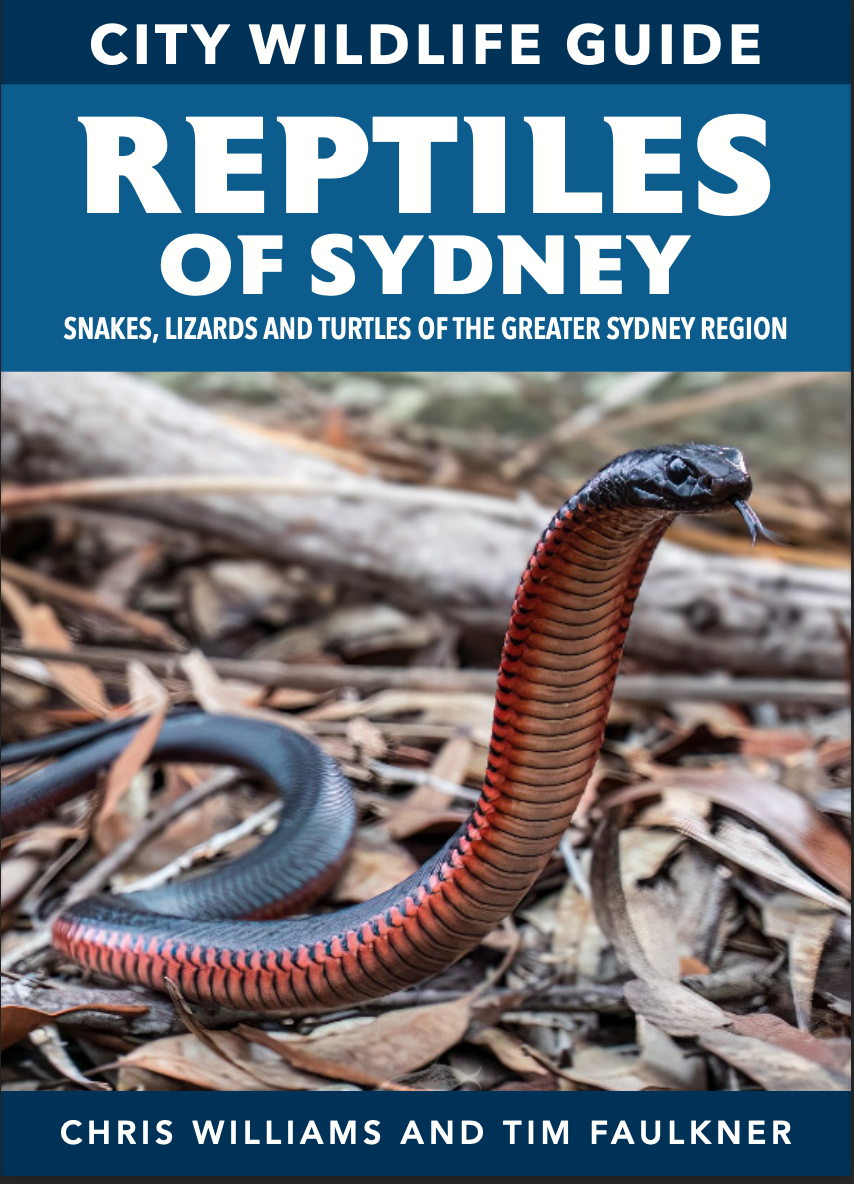
Chris is also the author of:
Reptiles of the Greater Sydney Region,
About Chris Williams
Sydney's Most Experienced Urban Reptile Specialist
Chris Williams has spent more than 35 years working with Australia's most iconic and dangerous reptiles. As founder of Urban Reptile Removal, he provides fast, safe and highly professional snake removal across Sydney, backed by decades of field experience and scientific knowledge.
Chris is widely regarded as one of Sydney's leading authorities on urban reptiles: the snakes, lizards, geckos and turtles that now live alongside us as the city expands. His work focuses on how development shapes wildlife populations and how people can safely coexist with the species that turn up in homes, schools, workplaces and construction sites.
A Career Built on Reptile Expertise
Chris began working with reptiles in 1990 as a WIRES reptile handling instructor before joining Taronga Zoo's reptile department, where he worked with cobras, rattlesnakes and Australian elapids, and contributed to conservation programs for threatened species.
He later worked at the Australian Reptile Park and Reptiles Alive, delivering reptile education programs across NSW. Since 2014 he has served as President of the Australian Herpetological Society, leading the state's oldest reptile focused organisation.
Chris is the author or coauthor of several major reptile books, including Urban Reptiles, Reptiles of the Red Centre and Reptiles of the Greater Sydney Region. These publications have helped cement his position as Sydney's most knowledgeable urban reptile specialist, and his career has been dedicated to bridging the gap between people and wildlife.
Why Sydney Calls Chris
When people search for snake catcher near me, snake removal Sydney or licensed snake catcher, they want experience. Chris offers:
35+ years of hands on reptile work
Full accreditation and insurance
Fast 60 minute response across Sydney
Expert species identification
Practical advice on preventing snakes around homes and businesses
Education for schools, daycares, workplaces and community groups
For books, bandages and a whole lot more head to https://sydneysnakecatcher.com.au/shop/
For books, bandages and a whole lot more head to https://sydneysnakecatcher.com.au/shop/

For the most up to date information on snakebite first aid, visit, snakebitefirstaid.com.au
