
About Us
Chris Williams has spent more than 35 years working with Australian reptiles. He is the founder of Urban Reptile Removal and has been President of the Australian Herpetological Society since 2014.
His career began in 1990 as a reptile instructor with WIRES, teaching volunteers how to handle and care for native reptiles. From there he moved into the reptile departments at Taronga Zoo, the Australian Reptile Park, and Reptiles Alive, working hands-on with everything from pythons to the country's most venomous snakes.
In time he founded Snake Ranch, which grew into the largest reptile breeding facility in Australia, at one point housing around 3,500 animals. That work gave him an unusually deep, day-to-day understanding of reptile behaviour, biology, and husbandry — knowledge he now brings to every call-out across Sydney.
Chris has written or co-authored six books on Australian reptiles, snake behaviour, and urban wildlife:
The Snake Ranch Guide to Reptile Care (2014)

A Tribute to the Reptiles and Amphibians of Australia and New Zealand (2019), with Chelsea Maier
Reptiles and Amphibians of Australia, New Zealand and New Guinea (2022)
Urban Reptiles (2024)
Reptiles of the Red Centre (2025), with Rex Neindorf and Brian Bush
Reptiles of the Greater Sydney Region (2026), with Tim Faulkner
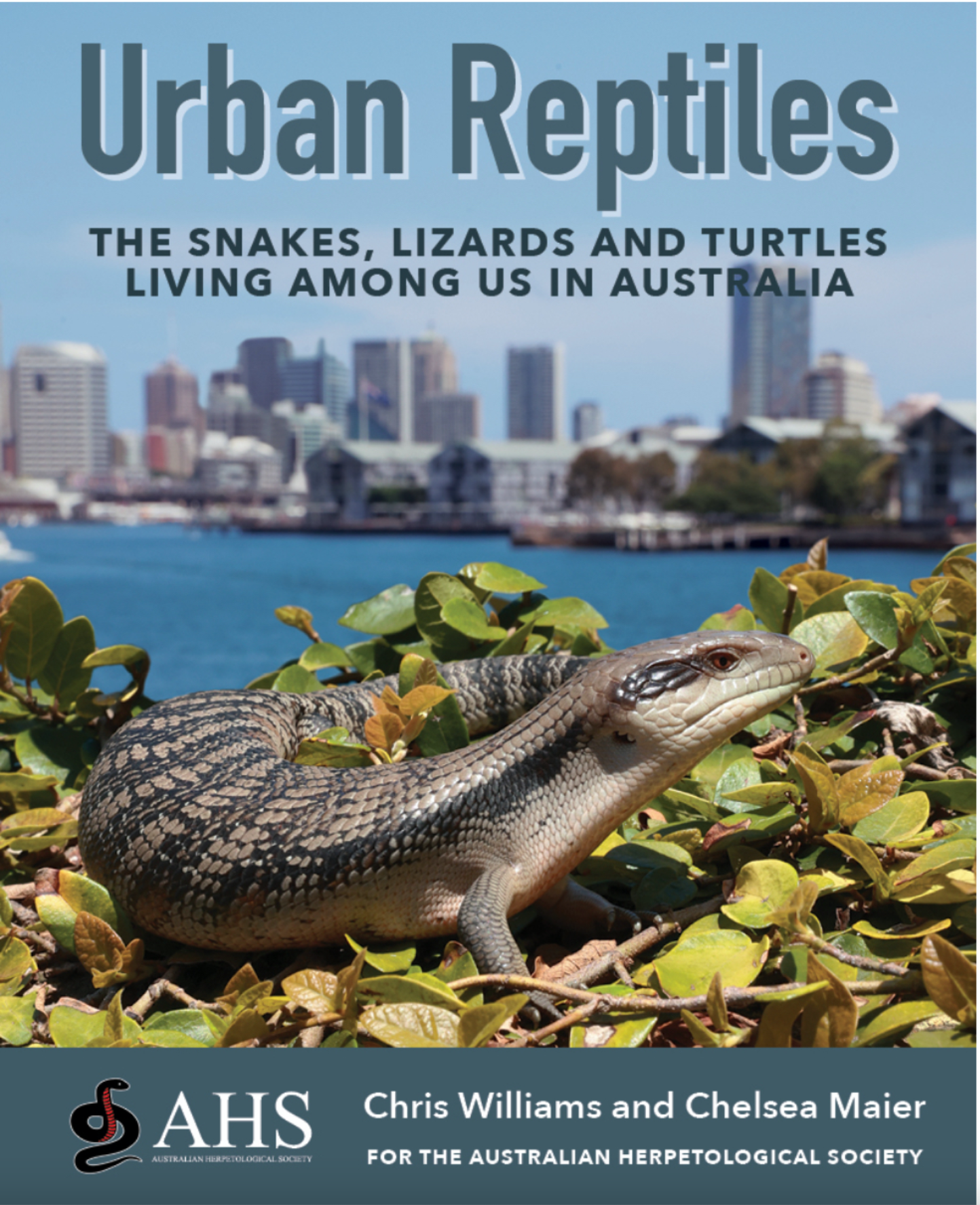
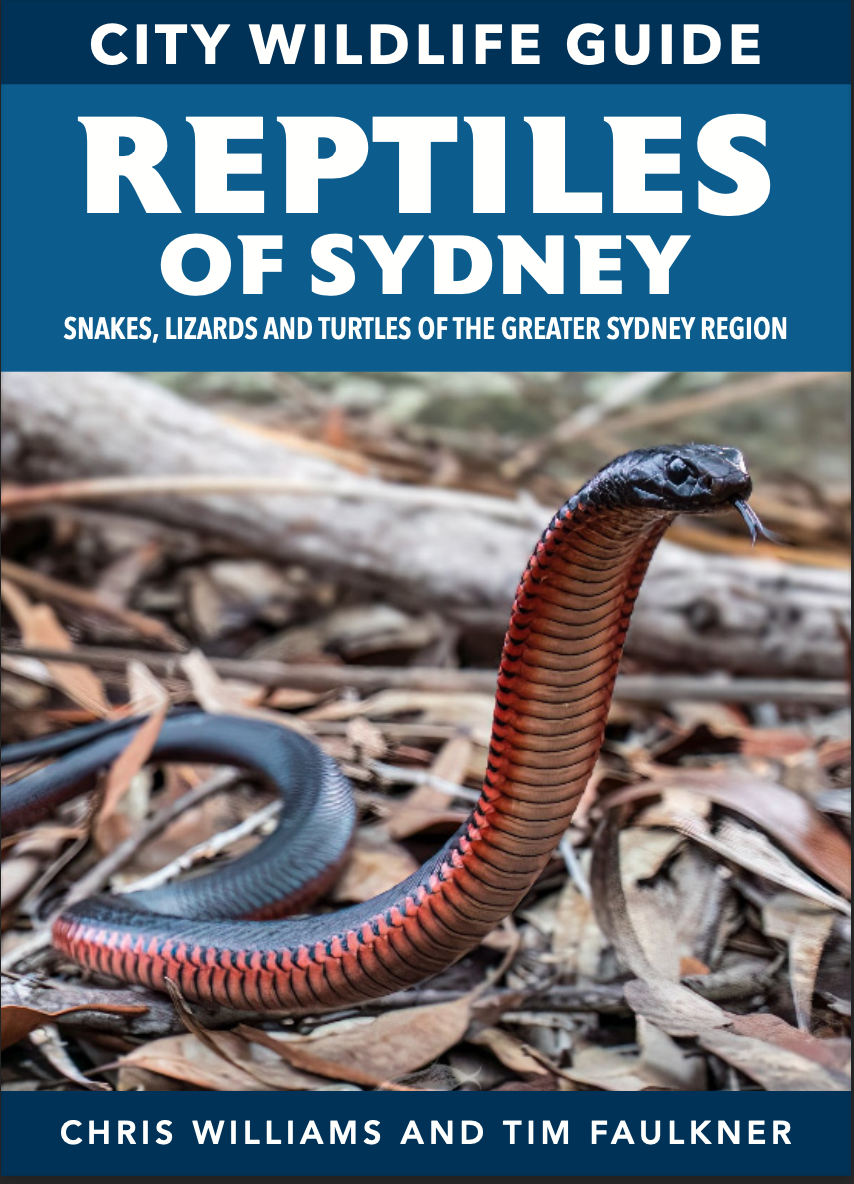
He has several more in development, including a history of the Australian Herpetological Society with Gerry Swan and Megafauna, with Tim Faulkner and Dr Timothy Churchill.
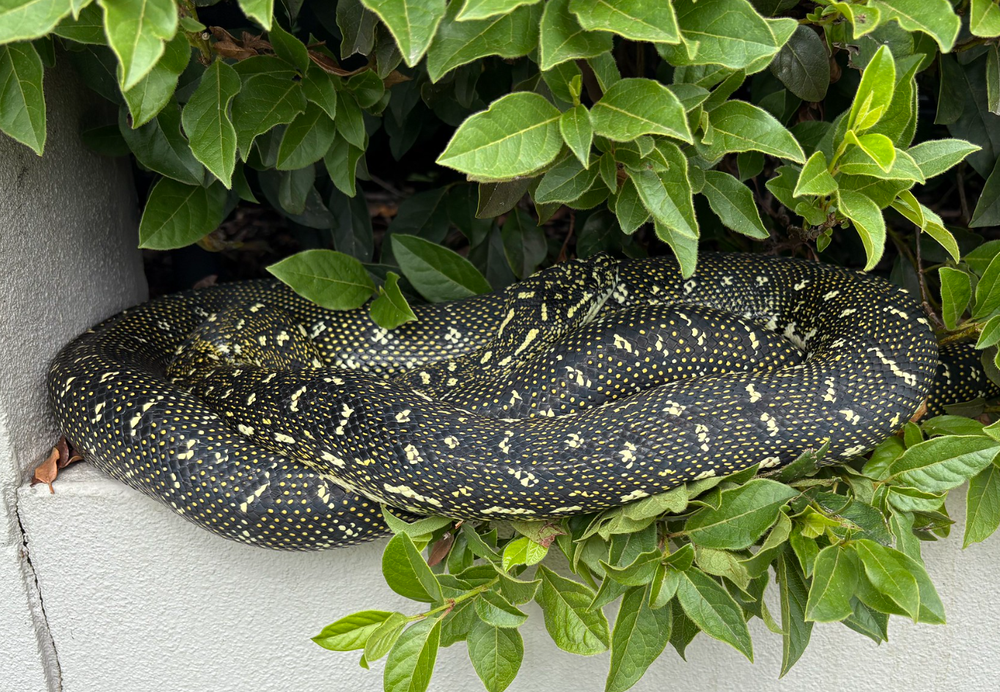
Through Urban Reptile Removal, Chris has personally relocated thousands of snakes throughout Greater Sydney — eastern brown snakes, red-bellied black snakes, diamond pythons, and many others. He attends every job himself: identifying the species, removing it safely and humanely, and giving property owners practical, property-specific advice to reduce the chance of a return visit.
His approach comes back to one idea. Sydney's snakes and reptiles are a natural part of the city, protected under Australian law and important to the local environment. The goal isn't to wage war on them — it's safe, practical coexistence, keeping people and wildlife apart when they cross paths.