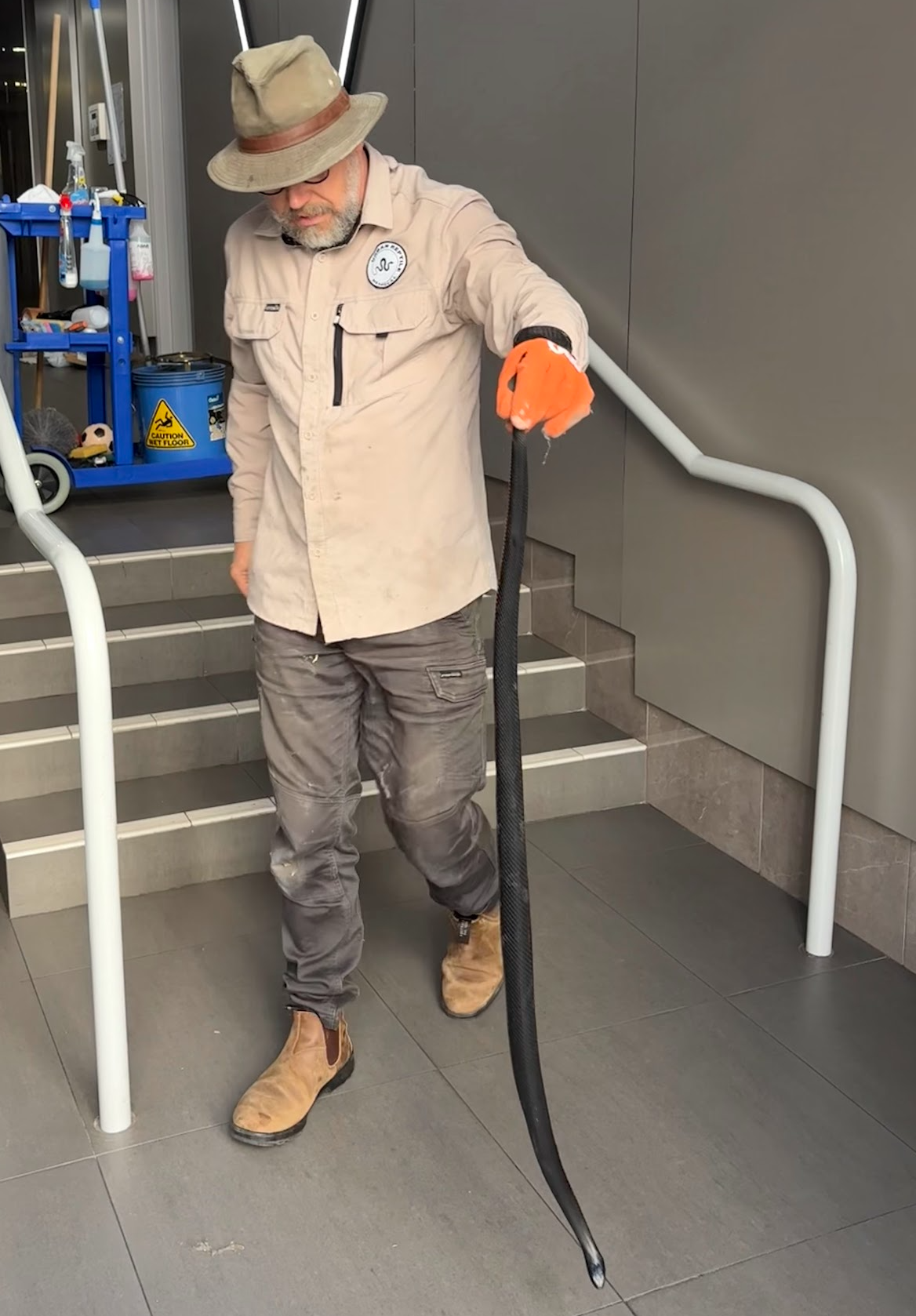
Urban Reptile Removal in Dean Park
Call 0418 633 474
Dean Park is an established residential suburb sitting between Glendenning, Hassall Grove, Plumpton and Quakers Hill, in the broader Mount Druitt area. The work here is moderate, steady, and reliably consistent through the warmer months. There's no single defining piece of habitat — no major reserve on the boundary, no significant creek through the centre, no industrial precinct — but the combination of older established housing stock, drainage corridors threading through to the Bells Creek and Ropes Creek tributary systems, mature gardens, sheds with decades of accumulated yard storage, and a high concentration of backyard pools produces enough work to keep Dean Park firmly inside our regular service area.
If you have spotted a snake or other reptile in Dean Park, call Urban Reptile Removal on 0418 633 474. Licensed, insured, and available every day of the year.
What Drives the Activity Here
Dean Park is largely 1980s and 1990s estate housing on standard suburban blocks — brick veneer, slab construction, established gardens, accumulated sheds and garages. The drainage system threading through the suburb connects it into Glendenning's industrial estate corridor, the Plumpton residential drainage network, and out to the wider Bells Creek and Ropes Creek catchments beyond.
The pattern that produces is a suburb where the snake population isn't sustained by what's on the boundary, but by what's in the streets. The mature gardens. The accumulated sheds. The pools and pool pump housings. The chicken coops, aviaries, outdoor pet bowls and rodent populations that come with thirty or forty years of established housing. Both species end up working different parts of the suburb. Eastern Browns favour the drier blocks and the established housing stock. Red-bellied Black Snakes favour the drainage corridors and the pools.
The Reptiles We Attend in Dean Park
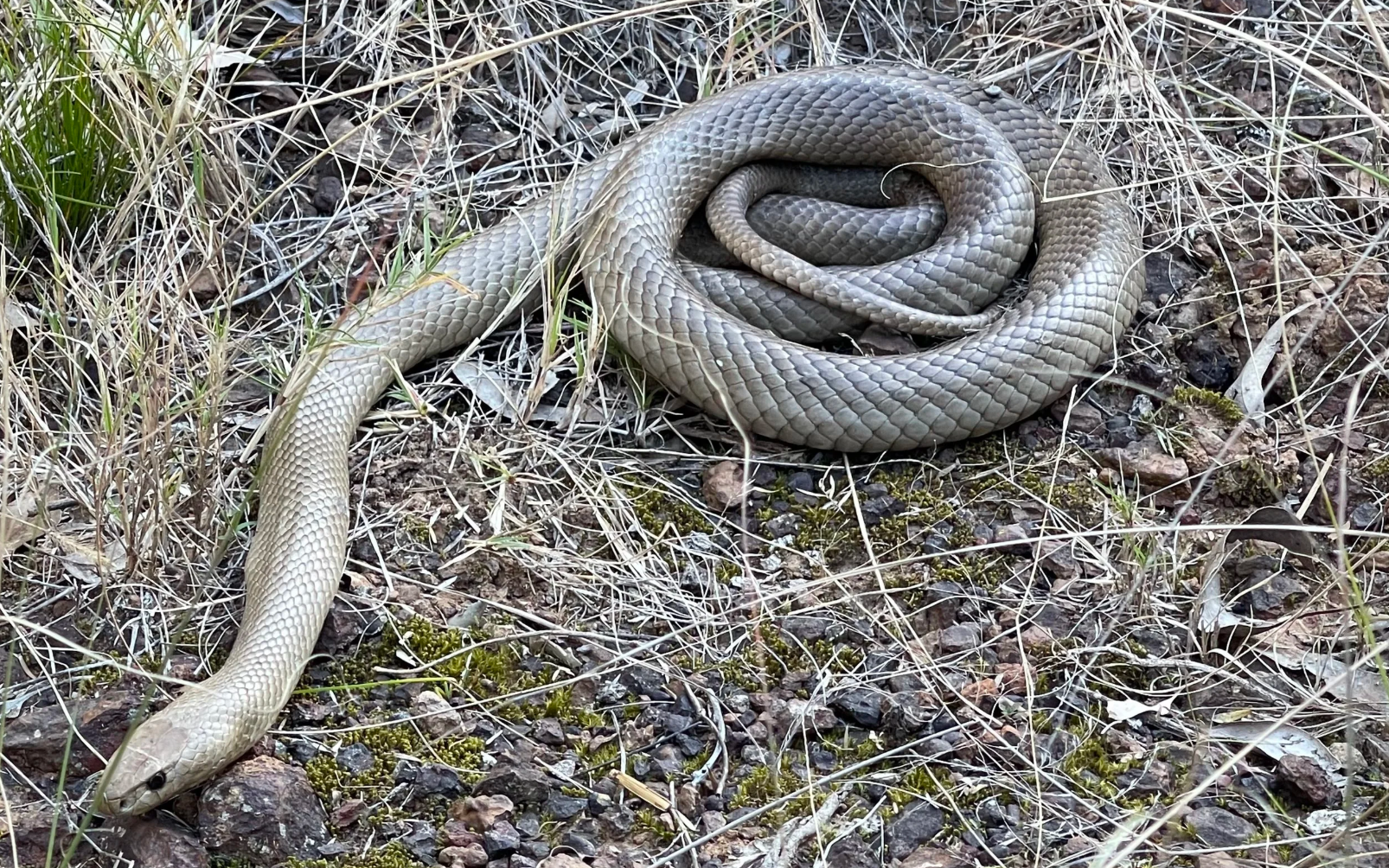
Eastern Brown Snake. The species we encounter most often in Dean Park. Browns work the established housing stock — sheds with accumulated yard storage, garages and the gaps under garage rollers, gaps under the slab on older brick veneer homes, garden beds, long boundary fences. Properties with chicken coops, aviaries or outdoor pet food sustain rodent activity that draws them. Highly venomous, fast, and quick to disappear into cover. Step back, keep a visual from a safe distance, and call us on 0418 633 474.
Red-bellied Black Snake. Common along the Bells Creek and Ropes Creek drainage tributaries and on properties with permanent water. Dean Park's high concentration of backyard pools makes Red-bellied Black Snake jobs a regular feature — pool pump housings come up consistently. Venomous, but generally far less defensive than Browns. They will move away if given the chance.
Yellow-faced Whip Snake. Slender, fast, often mistaken for a juvenile Brown. We see them around rock borders, raised garden beds, mulch piles, side passages and small gaps between fence posts. They flee quickly and aren't aggressive. Venomous, but the bite is far less serious than a Brown or Red-belly. Still warrants professional handling.
Green Tree Snake. Harmless. Fast, slender, often green or olive with a yellow belly. They feed on skinks and frogs and sometimes slip into garages, laundries and outdoor entertainment areas following prey. They flatten their head when alarmed, which leads people to assume they're venomous. They aren't. But removing one cleanly from inside a building still warrants the right hands.
Blue-tongued Lizard. Not a snake, but the reptile we are called for almost as often. Blue-tongues are large, slow-moving native skinks that get mistaken for snakes because of their size and the way they flatten their bodies when threatened. They are harmless, beneficial, and good for a garden — they eat snails, slugs, insects and fruit. Better to call and have us confirm than to assume.
Where We Find Reptiles on Dean Park Properties
For Eastern Browns, the established-suburb pattern. Sheds with accumulated yard storage. Garages and the gaps under garage rollers. Gaps under the slab on older brick veneer homes. Garden beds with thick mulch. Retaining walls and rock features. Long grass along boundary fences. Around chicken coops, aviaries and outdoor pet bowls. Around stormwater pits. Behind hot water systems, air conditioning units and meter boxes. Inside houses where a Brown has followed rodents through a gap.
For Red-bellied Black Snakes, the pool spots. Pool pump housings — warm, dark, undisturbed, close to water. Pool surrounds and water features. Garden beds with thick mulch and dense plantings, particularly along the boundary fence. Under decks and verandahs in shaded damp corners. Along fences backing onto the wetter sections of drainage corridors.
What to Do If You See a Snake in Dean Park
Stay calm. Step back. Bring children and pets indoors. If possible, keep watching the snake until we arrive. Call 0418 633 474.
You don't need to take a photo or identify the snake. You don't need to follow it. But if you can keep a visual from a safe distance, that helps us. If it disappears into cover, keep watching the spot where you last saw it — snakes often reappear within minutes once the area goes quiet. Knowing where it last was makes our job much faster.
What Actually Reduces Reptile Activity on a Dean Park Property
The reptile-deterrent products on the market — powders, sprays, ultrasonic devices — do not work. Skip them.
For Eastern Browns, reducing rodent activity is the single most effective measure. Set bait stations around sheds and garages. Clean out accumulated yard storage. Tidy chicken coops, aviaries and outdoor pet feeding areas. Seal gaps under sheds, the slab and outbuildings. Lift stored timber, pots, metal sheets and tiles off the ground. Keep grass short along boundary fences.
For Red-bellied Black Snakes, keep pool pump housings clear and unappealing as shelter. Open them up, clear cover from around them, don't allow garden beds to grow against them. Thin out heavy garden beds along the boundary side facing drainage corridor. Manage frog activity where it has become concentrated against the house.
Snake Inside the House
A snake inside a Dean Park home is an emergency. Eastern Browns will follow rodents. Red-bellied Black Snakes will follow frogs. Green Tree Snakes will follow skinks. Entry points are the usual ones — open doors, gaps under garage rollers, plumbing penetrations, cracks beneath external doors. We attend snake-inside-the-house jobs in Dean Park regularly through the warmer months. We respond as quickly as we can, locate the snake, remove it safely, and check the house is secure before we leave.
One Thing Worth Saying
A snake sighting doesn't mean your house is infested. Snakes don't live in pairs, don't form groups, and don't build nests in suburban backyards. One sighting almost always means one snake. Most are transient — they move through, looking for food, water or shelter. Once the individual is removed, the situation is usually resolved.
Why Dean Park Calls Urban Reptile Removal
We work calmly, without panic, and without making anyone feel judged about the state of their property. Snakes turn up in Dean Park because of the established suburban landscape, the connected drainage network and the older housing stock — that's the area, not the housekeeping. We're across the Dean Park / Glendenning / Plumpton / Quakers Hill corridor regularly through the season. We explain what we're doing, what species we're dealing with, why it's there, and what — if anything — can be done to reduce the chance of the next one.
If you see movement, hear rustling, or notice your pet fixated on one area of the yard, call 0418 633 474 immediately.
Urban Reptile Removal — 0418 633 474
Licensed, insured, on call 24/7 across Dean Park and the wider Blacktown LGA.