

Snake Catcher St Ives - Urban Reptile Removal 0418 633 474
If you have an unwanted snake call Urban Reptile Removal on0418633474.
Emergency Snake Removal in St Ives
Call Urban Reptile Removal on 0418 633 474
If you've found a snake on your St Ives property, in the yard, garage, roof or pool area, call 0418 633 474. We're usually on site within around thirty minutes depending on traffic and access, and we operate twenty-four hours across St Ives and the wider Ku-ring-gai LGA. Step back, bring children and pets indoors, and let us handle the rest. You don't need to take a photo, follow the snake, or identify the species. Snakes almost always hide in the closest safe place, and we'll locate it when we arrive. We'll stay on the phone and talk you through what to do until we get there.
Why St Ives Gets the Reptile Activity It Does
St Ives sits hard against Garigal National Park on the eastern side and Ku-ring-gai Chase National Park to the north and east, with the bushland exposure on the reserve-edge streets as continuous as anywhere on the North Shore. The St Ives Showground precinct, Browns Field and the connecting reserves feed into Cowan Creek, Middle Harbour and the wider Ku-ring-gai Chase system. The terrain is undulating to steep sandstone country, with deep terraced gardens, sandstone retaining walls, mature canopy and the kind of older Federation, mid-century and 1970s housing that has defined the suburb for decades.
The housing stock matters. St Ives is dominated by large blocks with deep established gardens, mature trees and high pool density. Newer townhouse complexes appear around Mona Vale Road and the village centre. The combination of two national parks on the eastern and northern flanks, sandstone country, mature gardens, pool density and bushland-edge streets produces one of the most varied and active reptile callout profiles on the North Shore. St Ives is one of our highest-volume single suburbs.
The Reptiles We Attend in St Ives
Diamond Python. A major species in our St Ives work, particularly on streets backing onto Garigal National Park, Ku-ring-gai Chase or the connecting bushland. Non-venomous, calm by nature, but large — adults reach two to three metres and they're powerfully built. Black scales with yellow or cream rosette patterns. The bushland exposure, mature gardens and older tiled-roof homes sustain a resident Python population, and roof cavities are a major job category. Pythons follow rodents and possums into the roof and settle in. We also find them on warm sandstone retaining walls, curled behind shrubs, on sandstone steps, in pergolas, along gutters and on warm driveways. They rely on camouflage rather than speed and usually stay still when you find them. Where it's safe to leave them in place, we encourage that — they're beneficial, keeping rodent numbers down. Where relocation is needed, their size and strength means it should be done by a trained handler. Call 0418 633 474.
Red-bellied Black Snake. A substantial proportion of our St Ives work. Glossy black with a red or pink underside. Common along the gully drainages running through the connecting reserves, in the wetter sections and on properties with pools, ponds, frog habitat or thick damp garden beds. They follow frogs, so frog activity (particularly after rain and through the warmer months) tends to bring them through. Pool pump housings come up consistently. Venomous, but generally far less defensive than Browns. They will flee if given space. Often basking in early morning sun before retreating to shade.
Golden-crowned Snake. Common in St Ives, although most residents never see one. Small, slender, with a pale yellow or cream crown across the head and a pink or reddish underside. Nocturnal, active after rain. During the day they shelter under sandstone blocks, loose bark, timber sleepers, pot plants, garden edging, mulch and leaf litter. The sandstone country and deep established gardens of St Ives give them ideal habitat. They feed on small lizards, eggs, insects and frogs. Often mistaken for baby brown snakes because of their size. Venomous, but the bite causes only local symptoms in most cases and is not regarded as dangerous to adults. Still warrants professional handling — we usually only relocate them when one has accidentally entered a home, garage or enclosed space.
Green Tree Snake. Common in St Ives gardens, particularly along fences, in pergolas, around roof lines, in mature shrubs and pool surrounds. Slender, fast-moving, completely harmless. Colour ranges from bright green to olive, grey or nearly black, with a yellow underside. When alarmed they flatten the body slightly, showing blue flashes between the scales. Excellent climbers with sharp eyesight, which is why they sometimes turn up at elevated parts of the property. They feed on skinks, geckos and small frogs. Non-venomous.
Lace Monitor. Less common than the snake species above, but present in St Ives on properties backing onto Garigal National Park, Ku-ring-gai Chase or the larger bushland-edge blocks. Large, distinctive, with grey-black scales and pale cream or yellow banding. Adults can reach over two metres including the tail. Lace Monitors are protected native goannas, not snakes, but they're often called in as snake sightings because of the size. Harmless to humans if left alone, but capable of giving a serious defensive bite or scratch if cornered. Most sightings resolve themselves — the monitor moves through and is gone within a day. We attend when one has settled somewhere it can't be left, including in pool surrounds, on decks, in chook pens or close to children and pets.
Which Species Follows What
The species mix in St Ives makes more sense once you know what each one is following. Diamond Pythons follow rats, mice and possums, which is why they end up in roof cavities. Red-bellied Black Snakes follow frogs and moisture, which is why they concentrate along the gully drainages and around pool pump housings. Golden-crowned Snakes follow small lizards, skinks and frogs under leaf litter, sandstone and pot plants. Green Tree Snakes follow skinks and geckos through gardens and along fence lines. Lace Monitors follow carrion, eggs and rodents through bushland and onto the larger acreage and reserve-edge properties.
Where We Find Reptiles on St Ives Properties
For Diamond Pythons: roof cavities are the standout, particularly on older homes with tiled roofs and small gaps under the eaves. Also on sandstone retaining walls, in pergolas and outdoor entertainment areas, along gutters, curled behind thick shrubs, on sunny driveways and along fence lines facing Garigal or Ku-ring-gai Chase.
For Red-bellied Black Snakes: pool pump housings, pool surrounds and water features, garden beds with thick mulch against boundary fences, under decks and verandahs in shaded damp corners, along fences backing onto the gully drainages, ponds or the wetter sections of reserve.
For Golden-crowned Snakes: under pot plants and raised tubs, in garden edging, under sandstone blocks and rockeries, in leaf litter, beneath timber piles, paths and outdoor tiles, around damp sheltered corners of the garden.
For Green Tree Snakes: along fences, through pergolas, around roof lines, in mature shrubs, around pool surrounds and along garden edges.
For Lace Monitors: in pool surrounds, on warm decks, in chicken coops and chook pens, around compost heaps, on driveways and along fence lines facing bushland.
What to Do If You See a Snake in St Ives
Step back. Bring children and pets indoors. If possible, keep a visual on the snake from a safe distance. Don't try to move it, contain it, photograph it from up close or identify the species. Call 0418 633 474. We'll talk you through what to do until we arrive. You don't need to follow the snake — we use species behaviour, temperature, time of day and property layout to work out where it's likely gone and locate it from there.
If you hear movement in the roof through the warmer months and you live in St Ives, a Diamond Python is one of the more likely explanations, particularly on streets backing onto national park. Possums and rats are the others. We can tell the difference on site.
If a Snake Is Inside the House
A snake indoors is an emergency. They get in through open sliding doors, garage gaps, holes around pipes, ventilation openings and worn door seals. Leave the room, close the door behind you, and call 0418 633 474.
Snake Bite First Aid
A snake bite is a medical emergency. Treat every bite as if it's venomous, even if the snake looked harmless. Symptoms can take time to appear, and that's exactly why fast action matters.
If someone is bitten:
Call 000 immediately.
Keep the patient still and calm. Movement spreads venom through the lymphatic system.
Apply a pressure immobilisation bandage firmly over the bite site, then bandage the entire limb from fingers or toes up to the armpit or groin.
Splint the limb if you can, to prevent movement.
Do not wash the bite. Venom residue on the skin helps hospital staff identify the species and choose the right antivenom.
Do not try to catch, kill or photograph the snake from close range.
Wait for paramedics, or get the patient to hospital as fast as is safely possible.
Australian antivenom is highly effective when administered promptly. Time matters.
What Actually Reduces Reptile Activity on a St Ives Property
Deterrent products sold at hardware stores, powders, sprays, ultrasonic devices, are not effective. Don't waste money on them. There's no evidence for any of them despite the marketing.
What does work is removing the conditions. For Diamond Pythons specifically, reducing rodent activity in the roof is the single most useful thing. Pythons follow rats. If a Python turns up in the ceiling, the rats got there first. Seal roof entry points where you can, keep the roof clear of stored items that draw rodents, and address roof rodent activity through proper rodent control.
For Red-bellied Black Snakes, keep pool pump housings clear and unappealing as shelter. Thin out heavy garden beds along boundary fences, particularly the side facing reserve or gully line. Manage frog activity where it has concentrated against the house, without killing the frogs, they're protected.
For Golden-crowned Snakes, lift pot plants and raised tubs off the ground where you can, clear leaf litter from sheltered corners, and tidy garden edging.
Beyond species-specific measures: mow grass often, clear leaf litter, trim vegetation next to walls and fences, tidy sheds and garages, store timber off the ground, seal small gaps, secure outdoor pet food and reduce rodent activity.
Frequently Asked Questions
How quickly can a snake catcher get to St Ives? We're usually on site in St Ives within around thirty minutes, depending on traffic and access. Urban Reptile Removal operates twenty-four hours a day across the suburb and the wider Ku-ring-gai LGA. Call 0418 633 474.
Did I do something wrong to have a snake on my property? No. Snakes move through every suburb on the North Shore. Your property isn't the reason — it's just on the route. Snake sightings aren't a sign of an unclean property, they just mean the local environment provides food, water, warmth and shelter.
Does one snake mean more are nearby? No. Snakes don't travel in pairs, don't form groups, and don't nest in suburban yards. One sighting almost always means one snake.
What snakes are most common in St Ives? Diamond Pythons are a major species in our St Ives work, particularly in roof cavities and on streets backing onto Garigal National Park and Ku-ring-gai Chase. Red-bellied Black Snakes are a substantial proportion of the work too, concentrated along the gully drainages and around pool pump housings. Golden-crowned Snakes are common in the sandstone country and deep established gardens, though most residents never see one. Green Tree Snakes appear through gardens and pergolas. Lace Monitors turn up occasionally on the larger bushland-edge blocks.
I think I saw a snake but it might have been a Blue-tongued Lizard. What's the difference? Blue-tongued Lizards are large native skinks that rustle loudly through vegetation and flash a bright blue tongue when threatened. They're harmless and beneficial. Snakes are quieter, smoother in movement and have no visible legs. If you're unsure, call us — we're always happy to check and confirm. Better that than a guess.
Should I try to remove the snake myself? No. All native snakes in New South Wales are protected wildlife, and several species commonly encountered around St Ives are venomous. The vast majority of snakebite hospital admissions involve someone trying to catch, kill or move a snake themselves. Step back, keep a visual from a safe distance, and call 0418 633 474.
Are snakes protected in New South Wales? Yes. All native snakes, plus Lace Monitors and Blue-tongued Lizards, are protected under the Biodiversity Conservation Act 2016. They must be handled and relocated by licensed catchers. Urban Reptile Removal operates under licence MWL103807.
Urban Reptile Removal 0418 633 474. Licensed, insured, on call 24/7 across St Ives and the wider Ku-ring-gai LGA.
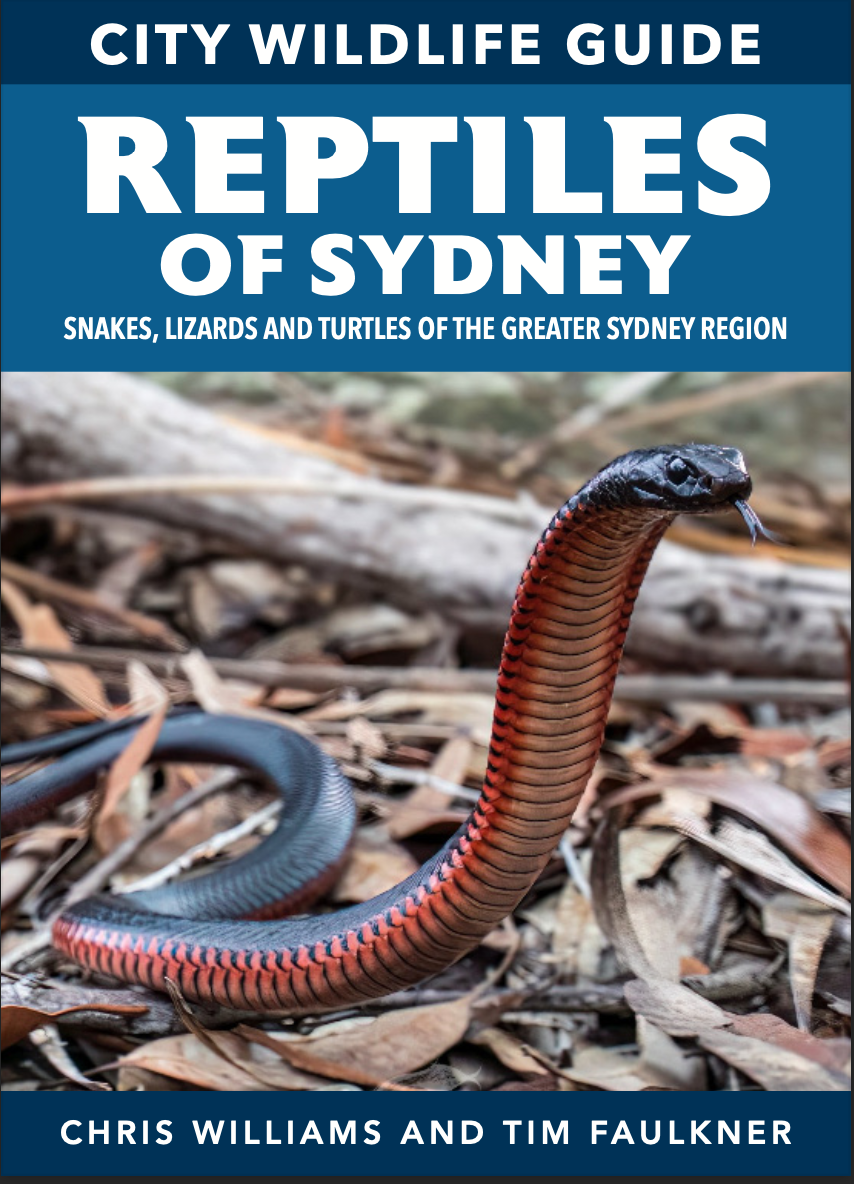
Get your copy of The Reptiles of Sydney here: https://sydneysnakecatcher.com.au/shop/
