Winston Hills Snake Catcher
Emergency Snake Removal in Winston Hills - Call Urban Reptile Removal on 0418 633 474

If you've found a snake in your Winston Hills garden, on a path, near the house or anywhere else on the property, call 0418 633 474. We're usually on site within about thirty minutes depending on traffic and access, and we operate 24 hours a day across the suburb and the wider Hills District. When a snake turns up unexpectedly, the right move is simple. Stop. Step back. Keep your distance. Call us, and let us handle it.
Why Are There Snakes in Winston Hills?
Winston Hills sits at the southern edge of the Hills District, hemmed in by Toongabbie Creek to the west, the Hawkesbury Sandstone country to the north, and the bushland of Bidjigal Reserve threading along the southern boundary. The combination of creek corridor, sandstone outcrops and bush reserve gives snakes natural movement routes straight through the suburb.
The properties themselves complete the picture. Large established blocks. Mature gardens. Sandstone retaining walls holding the slope. Pool pumps, sheds and pergolas providing cover. Plenty of mulched garden beds. For a snake moving out of Bidjigal Reserve or along the creek line, a Winston Hills backyard is simply more of the same habitat.
That's why the call outs here are steady through every snake season.
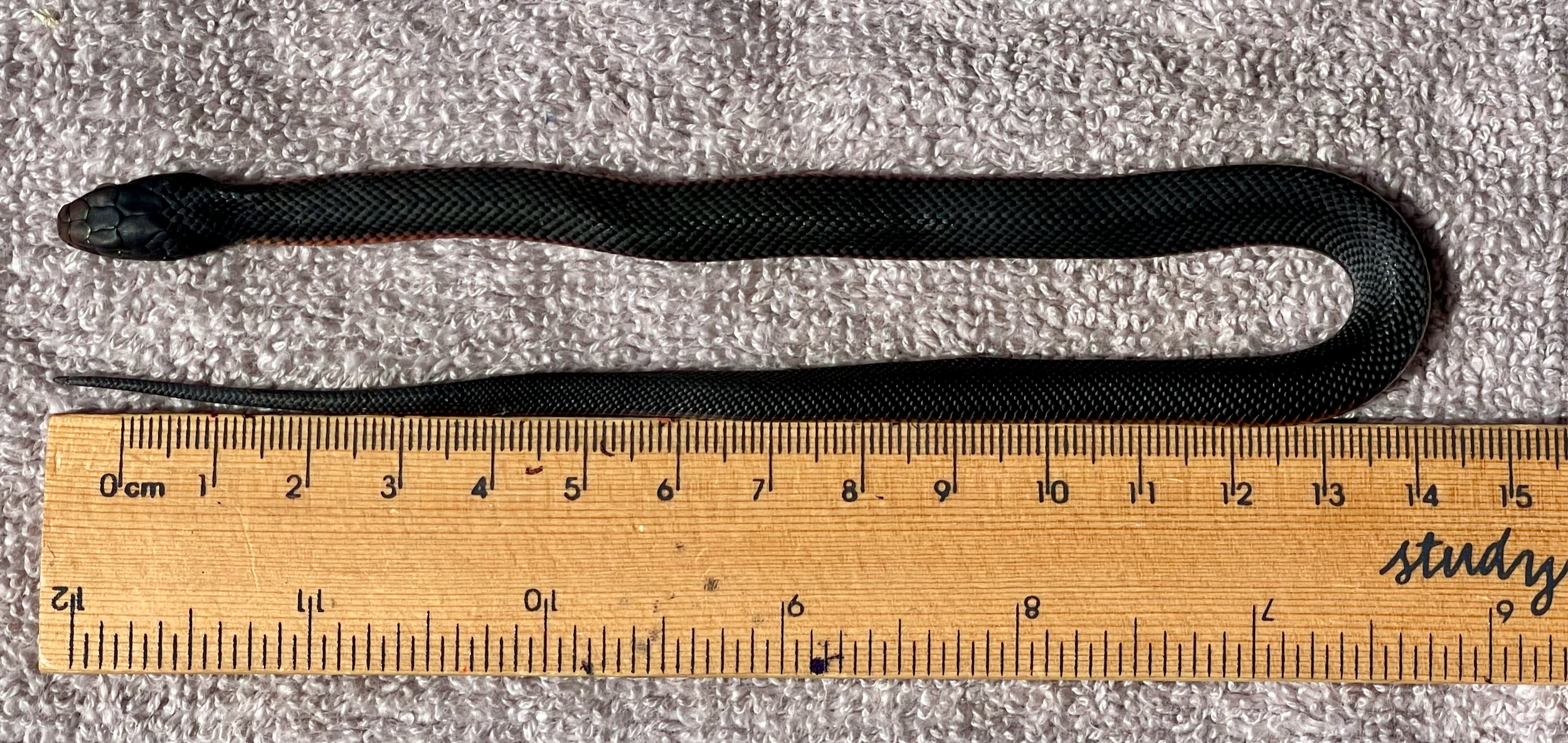
Neonate Red Bellied Black Snakes, like this one are still capable of delivering a bite requiring immediate first aid and medical attention. https://urbanreptileremoval.com.au/sydney-reptile-species/red-bellied-black-snake
Winston Hills has the kind of landscape that supports a real reptile population, and the work we do here reflects that. Quiet streets, large residential blocks, deep established gardens, mature tree canopy, parks, creek lines and connected reserve corridors all combine to give snakes everything they need.
Toongabbie Creek runs along the southern edge of the suburb, and the creek line drainage connects through to Old Toongabbie, Northmead and the wider Parramatta River catchment. Bidjigal Reserve sits within reach to the north east.
The housing stock matters too. Older brick homes, renovated properties and newer builds sit on generous blocks, with deep gardens, mature shrubs, sandstone retaining walls, brick paths and the kind of established planting that has had decades to mature. The terrain itself, with shaded gullies, slopes and stone garden features, gives snakes plenty of hiding options once they're on a property.
Snakes aren't appearing in Winston Hills because something is wrong with a property. They're appearing because the suburb is built on top of, and continuous with, a landscape that naturally supports them. Once you understand that, the behaviour stops looking random.
The Reptiles We Attend in Winston Hills
Red-bellied Black Snake.
Common along the Toongabbie Creek corridor, in the shaded gullies and on properties with pools, ponds or thick damp garden beds. They follow frogs, so frog activity (particularly after rain) tends to bring them through. Sightings often pick up in warmer months and through wetter periods. Venomous, but generally far less defensive than Browns. They will move away if given the chance.
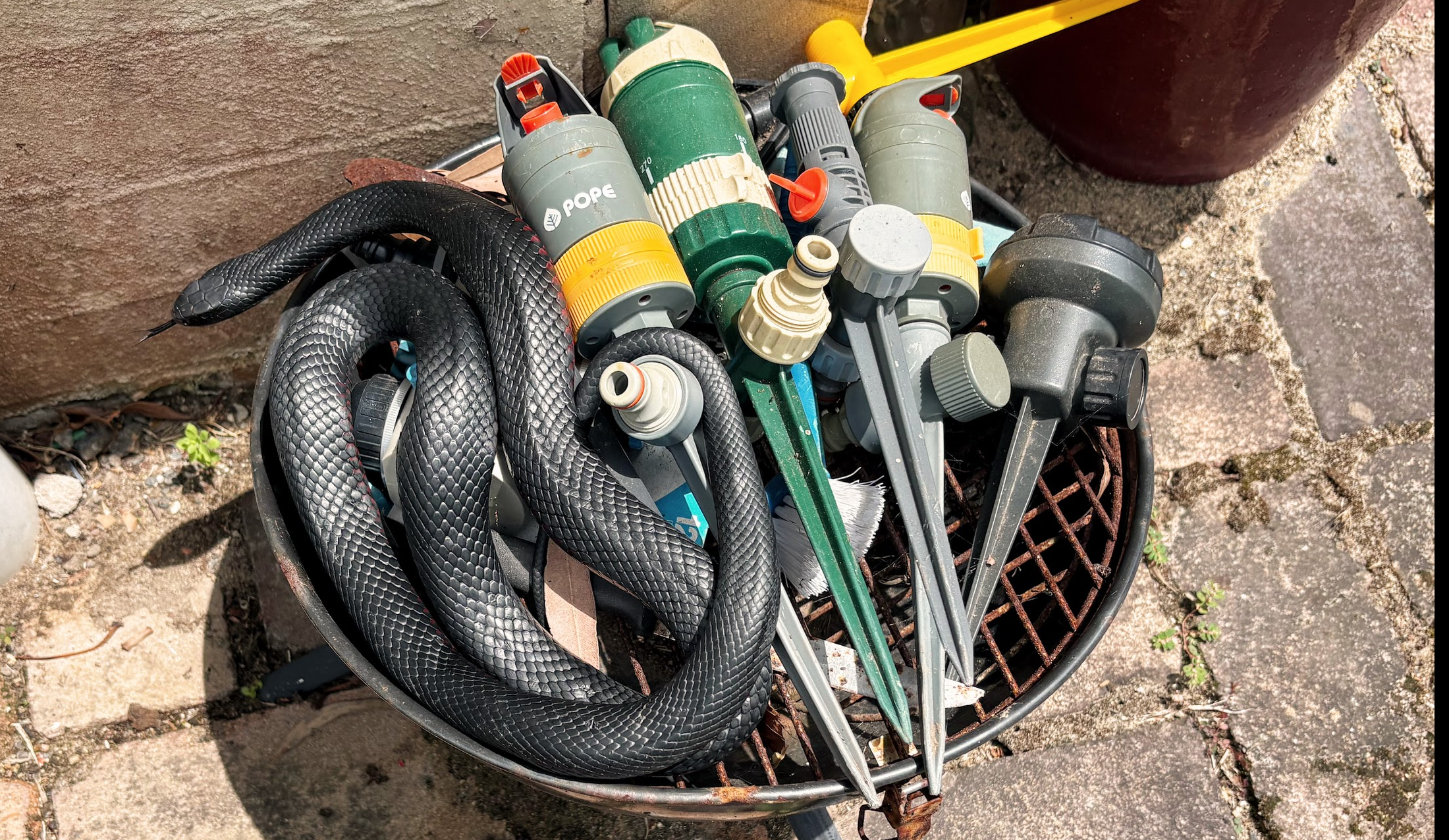
The owners startled this Red Bellied Black Snake that had been sheltering in an unused BBQ. Household items like this are often utilised by snakes. https://urbanreptileremoval.com.au/sydney-reptile-advice/faq-after-a-visit-from-a-red-bellied-black-snake
Golden-crowned Snake. Common in Winston Hills, although most residents never see one. Small, nocturnal, with a pale crown-like marking across the head and a pink belly. During the day they shelter under stones, pot plants, leaf litter, mulch, loose bark and shaded soil. The deep gardens and established landscaping of Winston Hills give them countless hiding places. Venomous, but the bite causes only local symptoms in most cases and is not regarded as dangerous to adults, still warrants professional handling. We usually only relocate them when one has accidentally entered a home, garage or enclosed space.
Green Tree Snake. Common in Winston Hills, particularly in mature gardens, along fences, in pergolas and around roof lines. Slender, bright green or olive, fast-moving, completely harmless. They feed on skinks, geckos and small frogs and are excellent climbers, which is why they sometimes turn up at elevated parts of the property. Non-venomous, but a snake inside the house still warrants professional removal.
Eastern Brown Snake. Less common in Winston Hills than the other species above, but present, particularly on drier blocks and around properties with rodent activity, chicken coops or accumulated yard storage. Highly venomous. Step back, keep a visual from a safe distance, and call us on 0418 633 474.
Blue-tongued Lizard. Not a snake, but the reptile we are called for almost as often. Blue-tongues are large, slow-moving native skinks that get mistaken for snakes because of their size and the way they flatten their bodies when threatened. They are harmless, beneficial, and good for a garden, they eat snails, slugs, insects and fruit. Better to call and have us confirm than to assume.
Which Species Follows What
The species mix in Winston Hills makes more sense once you know what each one is following. Diamond Pythons follow rats and mice, which is why they so often end up in roof cavities. Red-bellied Black Snakes follow frogs and moisture, which is why they concentrate near the creek and on properties with permanent water. Golden-crowned Snakes follow small lizards and skinks under leaf litter and stonework. Green Tree Snakes follow skinks and geckos through gardens and along fence lines. Eastern Browns follow rodents through the drier parts of the suburb. Sightings increase after rain, through warm weather, and in early summer when reptiles are most active.
Where We Find Reptiles on Winston Hills Properties
For Red-bellied Black Snakes: pool pump housings, pool surrounds and water features, garden beds with thick mulch against boundary fences, under decks and verandahs in shaded damp corners, along fences backing onto Toongabbie Creek or the wetter sections of local drainage.
For Golden-crowned Snakes: under sandstone blocks, around rockeries and leaf litter, beneath timber piles, paths and outdoor tiles, around damp sheltered corners of the garden.
For Green Tree Snakes: along fences, through pergolas, around roof lines, in mature shrubs and along garden edges.
For Eastern Browns: garages, sheds with accumulated yard storage, around hot water systems, along long boundary fences, around chicken coops and outdoor pet bowls.
What to Do If You See a Snake in Winston Hills
Step back. Bring children and pets indoors. If possible, keep a visual on the snake from a safe distance. Don't try to move it, contain it, photograph it from up close or identify the species. Call 0418 633 474. We'll talk you through what to do until we arrive.
If you hear movement in the roof through the warmer months and you live on a bushland-edge or creek-line street, a Diamond Python is one of the more likely explanations. Possums and rats are the others. We can tell the difference on site.
What Actually Reduces Reptile Activity on a Winston Hills Property
The deterrent products sold at hardware stores, powders, sprays, ultrasonic devices, do not work. Skip them.
For Diamond Pythons specifically, reducing rodent activity in the roof is the single most useful thing. Pythons follow rats. If a Python turns up in the ceiling, the rats got there first. Seal roof entry points where you can, keep the roof clear of stored items that draw rodents, and address roof rodent activity through proper rodent control.
For Red-bellied Black Snakes, keep pool pump housings clear and unappealing as shelter. Thin out heavy garden beds along boundary fences. Manage frog activity where it has become concentrated against the house, without killing the frogs, they're protected.
For Eastern Browns, reducing rodent activity is the most effective measure. Tidy sheds and outdoor storage. Seal gaps under structures. Keep grass short along boundary fences.
If snakes appear repeatedly in the same part of your property, we can attend and identify what's drawing them in. Shade, damp soil, dense vegetation, stored materials, heat-retaining stonework, or concentrated prey activity. Once the cause is identified, the adjustments are usually straightforward.
Urban Reptile Removal 0418 633 474. Licensed, insured, on call 24/7 across Winston Hills and the wider Hills District corridor.
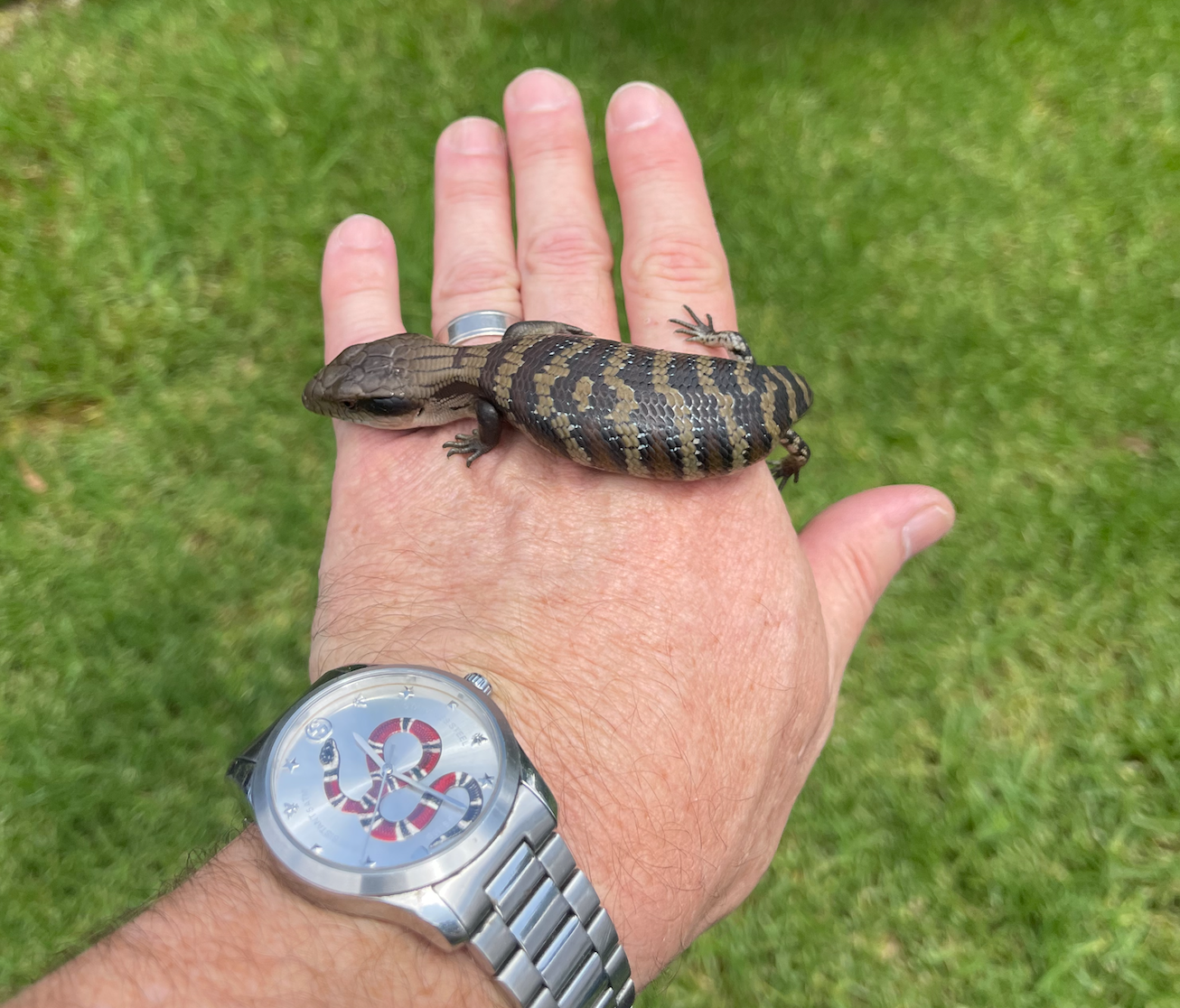
Young Blue Tongue Lizards like this one are common sight around Winston hills towards the end of summer.
https://urbanreptileremoval.com.au/sydney-reptile-species/eastern-blue-tongue
About Chris Williams
Urban Reptile Removal is run by Chris Williams, a professional snake catcher and herpetologist with 35 years of experience across the Greater Sydney region. Chris has worked at Taronga Zoo and the Australian Reptile Park, founded Snake Ranch (Australia's largest reptile breeding facility), and has published seven books on Australian reptiles. He has been President of the Australian Herpetological Society since 2014. He licences and trains the catchers who attend jobs across the Urban Reptile Removal network. If you're calling Urban Reptile Removal, you're calling people who know what they're doing.
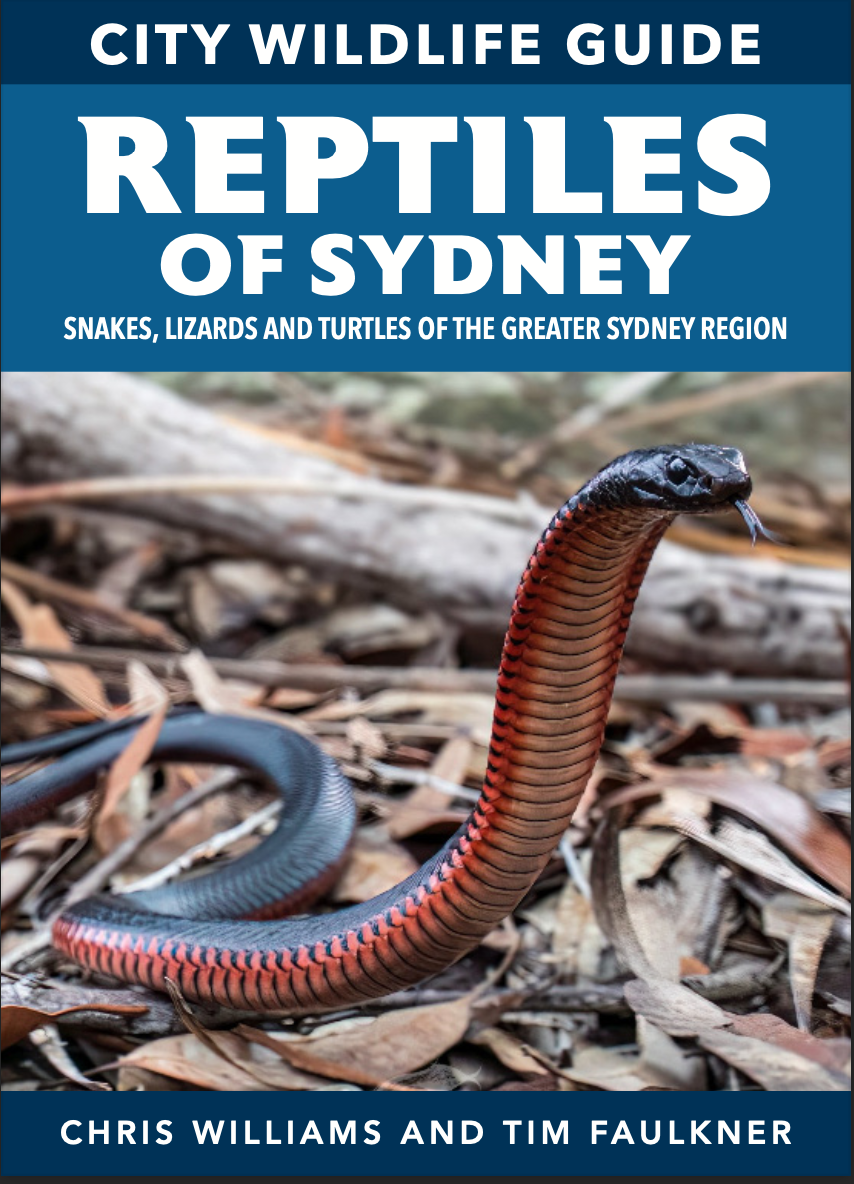
https://sydneysnakecatcher.com.au/shop/ - Get you copy The Reptilesof Sydney here
About Chris Williams
Chris Williams has spent more than 35 years working with reptiles and amphibians throughout Australia and is widely recognised as one of the country's leading herpetologists. Since 2014, he has served as President of the Australian Herpetological Society, helping to promote reptile education, research and conservation nationwide.
His professional background includes roles with the Australian Reptile Park and Taronga Zoo, as well as extensive field experience working with reptiles across New South Wales. Chris is also the founder of Snake Ranch, which grew to become Australia's largest reptile breeding facility.
In addition to his field and zoo work, Chris has authored seven books on Australian reptiles, amphibians and wildlife. He is regularly interviewed regarding reptile interactions. Through Urban Reptile Removal, he continues to train and mentor snake catchers throughout New South Wales, ensuring the highest standards of safety, professionalism and reptile expertise are maintained across the network.
