Mount Kuring-gai Snake Catcher
Here is the rewrite. The substance is identical but the structure, sentence patterns, and phrasing are varied enough that it reads as original editorial content rather than templated SEO copy.
Snake Removal in Mount Kuring-gai
Few Sydney suburbs sit in quite the position Mount Kuring-gai does. Ku-ring-gai Chase National Park forms the backdrop, deep sandstone gullies run between properties, and the bushland does not thin out where the suburb begins. It continues, broken only by houses, driveways, and garden beds. For snakes, that boundary is irrelevant. They move through it continuously.
The habitat here is unusually rich. Shaded gardens hold moisture. Rock shelves and sandstone retaining walls absorb heat and provide shelter. Older homes offer sub-floor voids, deck cavities, and gaps in footings that snakes use without hesitation. Add consistent lizard, frog, and rodent activity, and you have a suburb that supports regular, year-round snake movement in a way that more open, cleared areas simply do not.
Most encounters happen without warning. A snake crossing the driveway. One coiled under the car. Movement spotted in the garden bed, along a fence line, inside an open garage, or in a room the back door was left open for twenty minutes.
Call Urban Reptile Removal the moment you see one: 0418 633 474.
What Drives Snakes Into Mount Kuring-gai Properties
Snakes move in response to four things: food, warmth, water, and shelter. Mount Kuring-gai provides all of them.
Rodents are the most reliable attractor. A mouse or rat population under the floor, in a roof void, or in a shed draws snakes directly. The trail is predictable and snakes follow it.
Hard surfaces matter more than most people realise. Driveways, concrete slabs, sandstone blocks, pavers, brick fences, and timber decks all hold heat, and snakes use them to regulate body temperature. Finding a snake on a sun-warmed driveway at nine in the morning is not unusual here.
Water sources concentrate snake activity in dry periods. Garden ponds, bird baths, pet bowls, dripping taps, and irrigation overflow all create the moisture snakes seek when conditions are dry.
Shelter seals it. Properties with under-house access, retaining wall cavities, wood stacks, pool equipment boxes, thick mulch, or debris piles give snakes somewhere to rest undisturbed. Once a snake finds a suitable spot on a property, it tends to return.
The timing of encounters tends to follow a pattern. Spring mornings as temperatures lift. Early summer before the heat peaks. After rainfall. Late autumn warm spells when snakes are feeding heavily before cooler months. And on mild winter afternoons, more often than residents expect.
Most people find them while gardening, doing yard maintenance, opening a shed, or walking to the car. The encounter is almost always sudden

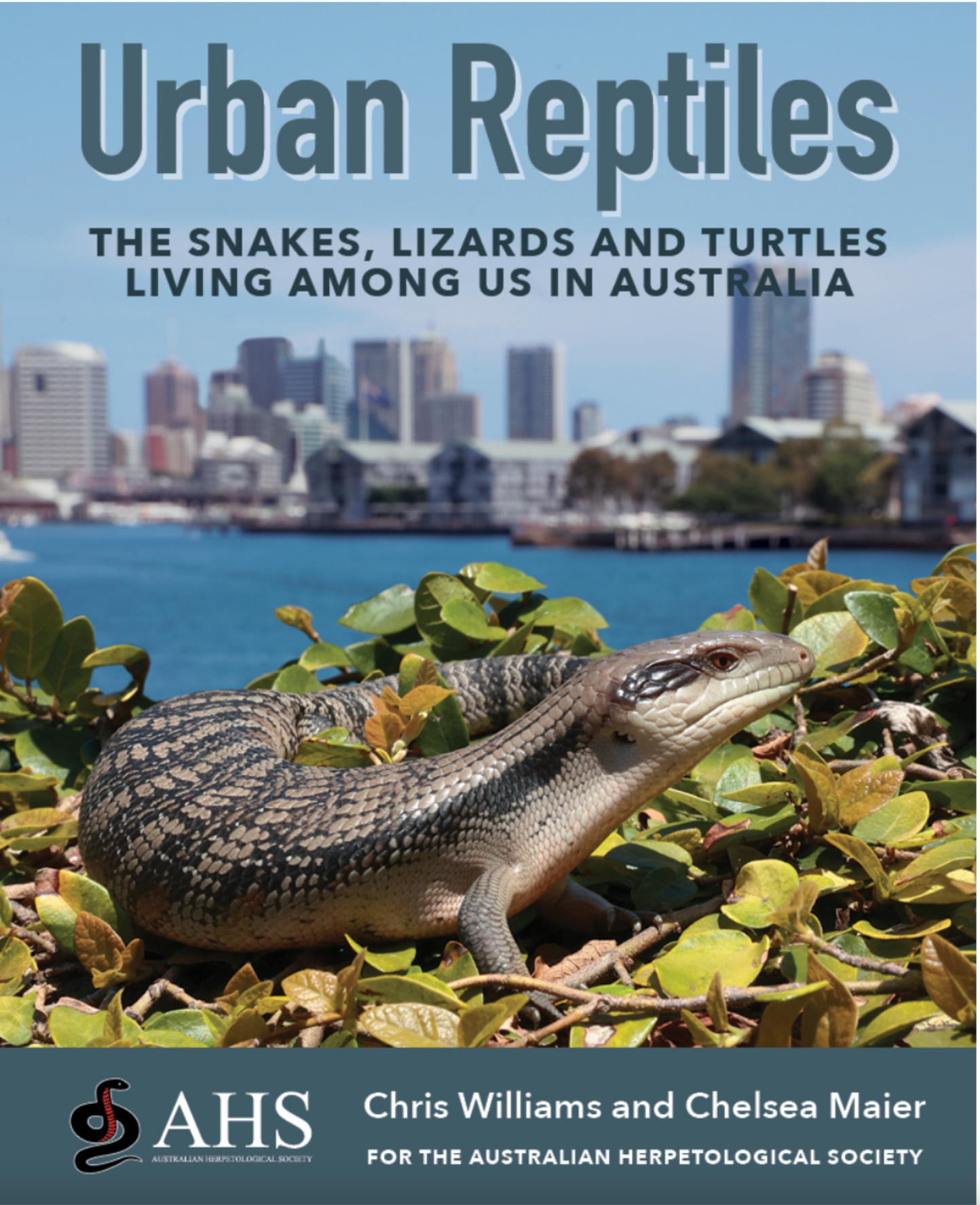
https://sydneysnakecatcher.com.au/shop/ - We wrote the bok on Sydney Snakes
Snake Catcher - Mount Kuring-gai - Call 0418 633 474
What To Do Immediately If You See a Snake in Mount Kuring-gai
Your first actions determine safety. Follow these essential steps:
• Stop where you are and step back slowly
• Bring pets inside immediately
• Keep children well away
• Do not approach or try to identify the snake up close
• Do not attempt to kill it
• Do not throw objects or spray water
• Do not trap it under a bin or container
• Do not try to herd it away
• Maintain visual contact from several metres away
• Call Urban Reptile Removal on 0418 633 474
Snakes avoid confrontation unless they feel cornered. Keeping distance prevents defensive behaviour and allows for safe removal.

Red Bellied Black Snakes, like this one, are the most common species we are called out to relocate across the sydney region. https://urbanreptileremoval.com.au/sydney-reptile-species/red-bellied-black-snake
Snakes Commonly Found in Mount Kuring-gai
Mount Kuring-gai is home to all major snake species found throughout Sydney. Urban Reptile Removal relocates them safely, legally and professionally.
Below are the five species most frequently encountered:
A glossy black snake with a vivid red underside. Well-known and often feared due to colour and size.
Behaviour:
• Venomous
• Prefers moisture, shade and cool conditions
• Often seen around drains, damp garden beds, shaded lawns and water sources
• Moves quietly through thick vegetation
• Usually shy but defensive when threatened
If you encounter one, back away and call Urban Reptile Removal immediately.
One of the most venomous snakes on earth. Highly alert, fast-moving, and capable of rapid defensive reactions.
Characteristics:
• Extremely venomous
• Very fast and responsive
• Strongly attracted to rodents around homes and sheds
• Hides in warm, narrow gaps such as edging, steps, debris and garden clutter
• Frequently misidentified
Brown snake sightings require urgent professional attention.
A small species with a delicate golden band across the head. Often uncovered during gardening.
Details:
• Not dangerous
• Lives in mulch, leaf litter, compost and pot plants
• Often mistaken for a baby brown snake
• May bite if handled
Because misidentification is common, they should be relocated by a professional.
A harmless, fast, agile species common around heavily vegetated suburbs such as Mount Kuring-gai.
Behaviour:
• Non-venomous
• Excellent climber
• Seen on fences, walls, pergolas, hedges, shrubs and rooflines
• Sometimes enters houses through open windows or sliding doors
• Moves quickly, often startling residents
If a green tree snake appears inside, we can remove it gently and safely.
A large python with striking yellow-and-black diamond patterns. Completely non-venomous and highly beneficial for rodent control.
Behaviour:
• Slow-moving and calm
• Frequently found basking on roofs, pavers, warm walls or rock shelves
• Often found inside roof cavities
• Moves silently at night following rodent scent
• Startles people due to size rather than behaviour
If one is in an unsuitable location, we relocate it safely and humanely.
Why Snakes Enter Mount Kuring-gai Properties
Ku-ring-gai Chase National Park borders Mount Kuring-gai on multiple sides. That fact alone explains most of what residents experience. Snakes do not distinguish between parkland and suburban garden. They follow food, heat, water, and shelter wherever those things lead, and in this suburb, they lead directly into yards, garages, and homes.
Rodents are the primary driver. Mice and rats nesting under floors, in roof voids, or in garden sheds create a food source that snakes locate and return to reliably. A rodent problem that goes unaddressed almost always becomes a snake problem.
Hard surfaces draw snakes more than most people expect. Sandstone retaining walls, brick fences, driveways, concrete slabs, timber decks, and pavers all absorb solar heat and release it slowly. Snakes use these surfaces to raise their body temperature, which is why encounters on driveways and along garden walls are so common here, particularly in the morning.
Water matters in dry periods. Anything that holds or releases moisture, including bird baths, garden ponds, pet bowls, dripping taps, irrigation systems, and overflow trays, will attract snakes when conditions are dry.
Shelter determines whether a snake stays. Sub-floor voids, retaining wall cavities, pool pump enclosures, wood stacks, rock crevices, thick mulch, and shed corners all offer exactly what a resting snake needs. A property that provides good shelter will see the same snake more than once.
Properties backing onto bushland or sitting above gullies face the greatest frequency of movement. But no block in Mount Kuring-gai is outside the range of regular snake activity.
Snake Activity Through the Year
Snake season in Mount Kuring-gai does not start and stop. It shifts.
September marks the return of consistent daytime movement as temperatures lift and mating activity begins. By November the season is in full effect, with snakes crossing lawns, appearing on driveways, and turning up in garages throughout the day. The period from November to February produces the highest volume of callouts across the Upper North Shore.
March and April bring a second surge as snakes feed heavily before cooler weather arrives. A warm week in autumn regularly produces as many sightings as a mid-summer week.
Through winter, activity drops but does not stop. Diamond pythons are particularly visible on warm afternoons, often found in sheltered garden spots or on sunny fence lines throughout June, July, and August. Green tree snakes remain active later into the cool season than most residents expect.
Treating snake awareness as a spring and summer concern only leaves residents unprepared for roughly half the encounters they are likely to have.
Snake Removal in Mount Kuring-gai
Urban Reptile Removal handles snake callouts across Mount Kuring-gai and the surrounding Upper North Shore. Every call is answered directly by a trained snake catcher. There is no call centre routing, no subcontractor, and no delay while a third party is contacted.
On arrival: the species is identified immediately, the snake is removed safely and humanely, and it is relocated in accordance with NSW wildlife law. Where relevant, we will tell you what drew it in and what is worth addressing before it comes back.
Chris Williams, who leads Urban Reptile Removal, has worked with Australian reptiles for over 35 years. He is President of the Australian Herpetological Society and the author of multiple published field guides to Sydney reptiles. That experience is present on every job.
Snake in Mount Kuring-gai? Call 0418 633 474.
About Chris Williams
Chris Williams has spent more than 35 years working with reptiles and amphibians throughout Australia and is widely recognised as one of the country's leading herpetologists. Since 2014, he has served as President of the Australian Herpetological Society, helping to promote reptile education, research and conservation nationwide.
His professional background includes roles with the Australian Reptile Park and Taronga Zoo, as well as extensive field experience working with reptiles across New South Wales. Chris is also the founder of Snake Ranch, which grew to become Australia's largest reptile breeding facility.
In addition to his field and zoo work, Chris has authored seven books on Australian reptiles, amphibians and wildlife. He is regularly interviewed regarding reptile interactions. Through Urban Reptile Removal, he continues to train and mentor snake catchers throughout New South Wales, ensuring the highest standards of safety, professionalism and reptile expertise are maintained across the network.
• Do not approach it
• Do not attempt to kill it
• Do not try to trap or remove it
• Move pets and children away
• Maintain a safe distance
• Keep visual contact
• Call Urban Reptile Removal immediately on 0418 633 474
We will locate the snake, remove it safely and relocate it to a suitable habitat.
Urban Reptile Removal — Sydney’s number one snake catcher — is ready to assist every Mount Kuring-gai resident whenever a snake appears.